
Tomorrow, Blizzard will reopen the doors to BlizzCon at the Anaheim Convention Center. It is the company’s first full convention since 2023, and its first after skipping 2024 while promising that the event would return “in the years to come.” The 2026 edition runs September 12–13, with hands-on games, developer panels, esports, cosplay, Community Night, a merchandise marketplace, and a closing performance from K-pop group LE SSERAFIM. BlizzCon passes are sold out.
That sounds, at first, like a familiar story: a major entertainment company brings its fans together to celebrate its franchises and sell them things.
It is that. But it is also something more interesting.
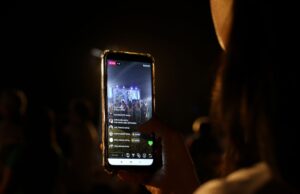
BlizzCon is returning at precisely the moment when the traditional convention has become only one part of a much larger cultural machine. The people attending in Anaheim will not be the whole audience. They will be the live studio audience, the performers, the cosplayers, the influencers, the background extras and, occasionally, the content.
The rest of the audience will be watching through streams, clipping moments for social platforms, collecting digital rewards, arguing in chats and following creators who may have a stronger relationship with the game’s community than Blizzard’s own official broadcast.
The convention is no longer a break from online life. It is online life, temporarily given a building.
A community event with a broadcast architecture
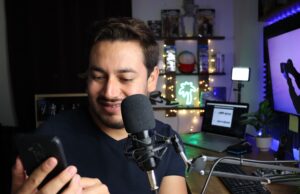
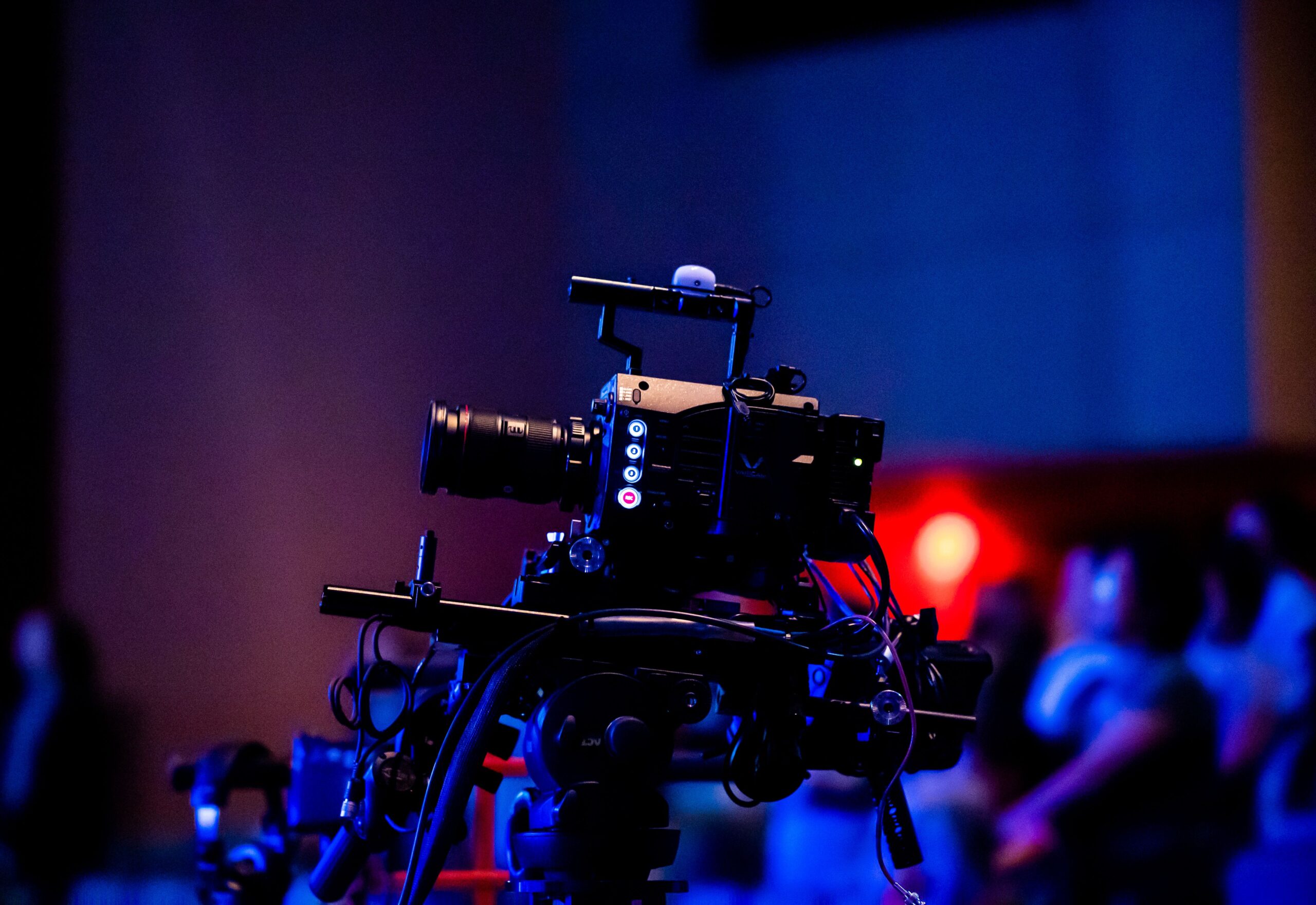
Blizzard’s official schedule makes the hybrid nature of the event unusually clear. BlizzCon will include an opening ceremony, competitive events, developer panels and hands-on gameplay, but it will also include creator broadcasts from the show floor, Twitch Drops and simulcast programming for people watching remotely. Diablo’s preview guide specifically promises that partner creators will stream from the convention while developers join them for interviews.
That is not merely a concession to fans who cannot afford a trip to Anaheim. It is a recognition that the online audience now performs a different cultural function from the in-person one.
The attendee gets proximity: a chance to see a developer, take a photograph in a game-themed installation, watch a tournament from the arena or meet somebody whose work they usually encounter through a screen.
The remote viewer gets continuity. They can follow the event through a familiar streamer, participate in chat, receive a digital item or watch the most consequential announcements without ever entering the convention center. The stream is not a lesser version of the event. For many fans, it is the version through which the event acquires meaning.
The distinction between “audience” and “participant” has become increasingly unstable. Twitch’s 2026 State of Gaming report says viewers watched more than 8.6 billion hours of gaming content on the platform between January 1 and September 1. It also reports that more than 40 million users claimed Twitch Drops during that period, while campaigns using Drops generated 1.6 billion hours watched.
Those figures come from Twitch’s internal data and should be treated as platform-reported rather than independent industry measurement. They still illustrate the scale of the behavior, however. People are not simply watching games. They are watching other people watch, explain, perform and socialize around games.
That is the real medium.
BlizzCon has always been about belonging
It would be a mistake to describe this as an entirely new development. BlizzCon began in 2005, when online gaming communities were already creating durable friendships, guilds and informal social structures. Blizzard has consistently described the convention as more than a product showcase: a place where online relationships become physical ones.
When Blizzard announced the 2023 return of BlizzCon after a four-year absence, it emphasized that players might use the event to meet friends they knew only online, celebrate shared games and occupy spaces designed around Warcraft, Diablo and Overwatch. The company’s 2026 language is similar, stressing community, friendship and “shared adventure.”
There is a long cultural history behind this. Record stores were never only retail spaces; they were informal archives, meeting places and rumor exchanges. Concerts were never only performances; they were opportunities to locate one’s people. Comic conventions, LAN parties, rave nights and fan clubs all turned private enthusiasm into public belonging.
BlizzCon belongs to that tradition.
What has changed is the scale and precision of the commercial system surrounding it. The convention does not simply gather a community. It measures, segments and monetizes that community across multiple channels: tickets, travel, merchandise, game content, livestreams, sponsorships, creator partnerships, esports, music and digital rewards.
A fan may now encounter the event as:
- a ticketed trip to Anaheim;
- a Twitch broadcast;
- a creator’s personal livestream;
- a limited in-game item;
- a social-media clip;
- a music performance;
- a shopping opportunity; or
- a conversation inside a guild that never physically attends at all.
All of those experiences are part of the same event.
The commercial logic is obvious—and still easy to underestimate
Blizzard benefits from the obvious forms of commerce: sold-out passes, merchandise, game-related purchases and renewed attention for its major franchises. The Anaheim convention economy benefits from hotel bookings, restaurants, transportation and tourism. Creators benefit from access, visibility and the ability to turn proximity into hours of programming.
Twitch benefits by becoming the place where the event remains active for people at home. LE SSERAFIM and its label gain a high-profile appearance before a global gaming audience. Blizzard’s collaboration with the group is not an arbitrary bit of pop spectacle: LE SSERAFIM previously appeared in an Overwatch collaboration and performed at BlizzCon in 2023.
The music booking also reveals how thoroughly gaming conventions have moved beyond the old idea of a trade show. A major game event now requires the emotional grammar of a festival: stages, rituals, costumes, celebrity appearances, exclusive merchandise and a closing act.
That does not mean every convention is culturally profound. Much of this is still corporate theater with better lighting. A limited-edition lunchbox is not a community, no matter how attractively it is packaged.
But the packaging works because the underlying communities are real.
Why traditional institutions keep misreading this
Traditional entertainment institutions still tend to divide culture into categories: games, music, television, advertising, live events and social media. BlizzCon is difficult to understand within those categories because it is all of them at once.
The same is true of the advertising industry. The Interactive Advertising Bureau’s September marketplace series combines CreatorFronts, Podcast Upfront and PlayFronts, explicitly treating creators, audio, gaming and entertainment as one connected commercial ecosystem. IAB says U.S. creator advertising is projected to reach $44 billion in 2026, while describing gaming as a major channel for audience engagement, fandom and participation.
The language is predictably promotional, but the underlying observation is sound: people do not experience culture according to industry org charts.
A teenager may discover a game through a streamer, hear a song through a game collaboration, join a Discord community, watch a tournament, buy a cosmetic item and then travel to a convention. From the audience’s perspective, this is not a series of separate media behaviors. It is one social life.
The institutions are beginning to follow the audience, though usually with a spreadsheet several years behind.
The danger of turning belonging into inventory
There is an obvious risk here. Once a community becomes legible to marketers, every form of participation begins to look like inventory.
A cosplay contest becomes branded content. A creator friendship becomes an activation. A digital reward becomes a retention mechanism. A concert becomes a cross-promotional opportunity. Even the feeling of seeing an online friend in person can be folded into the event’s sales pitch.
BlizzCon’s policies are a reminder that this remains a controlled corporate environment. Soliciting tips or donations is prohibited unless participants have an official space, and attendance is governed by an extensive ticket agreement and code of conduct.
None of that makes the friendships unreal. It does mean the company owns the room in which those friendships are being celebrated.
That tension has always existed in fan culture. The record store sold you the record and gave you somewhere to argue about it. The club promoter charged admission to the scene. The independent festival offered community inside a commercial structure.
The question is not whether commerce is present. It is whether the community retains enough agency to remain more than a customer segment.
What BlizzCon may become
The most likely future is not the disappearance of the convention or the triumph of the livestream. It is a permanent hybrid form in which the physical event and the online event are designed together from the beginning.
The convention center will remain valuable because screens cannot fully replace shared physical presence. People still want to stand in a crowd, wear something ridiculous, meet an artist or developer, hear music at unreasonable volume and discover that the person they have known for years online is, in fact, taller than expected.
But the physical event will increasingly function as a production hub for a worldwide community. Its job will be to create moments that travel: a reveal, a performance, a creator encounter, an argument, a costume, a championship, a clip.
The old convention asked people to come and see.
The new convention asks people to come, see, stream, post, collect, react and bring others with them.
That is why BlizzCon’s return matters, even if one has never played World of Warcraft and cannot distinguish a Murloc from a moderately aggressive garden ornament. The event demonstrates that digital culture has not made physical gatherings obsolete. It has made them more valuable—and more commercially useful—by turning them into shared stages for people who are already together online.
The future of the convention is not a retreat from the internet.
It is the internet renting a convention center for the weekend.
Sources and reporting notes
BlizzCon event details, dates, programming, policies and pass availability are based on Blizzard’s official event materials and event policies. Historical information about the convention and LE SSERAFIM’s involvement is based on Blizzard’s 2023 announcement and its 2026 announcement. Audience figures are from Twitch’s 2026 State of Gaming report and are platform-reported figures covering January 1–September 1, 2026. Advertising-market figures are from the Interactive Advertising Bureau.