
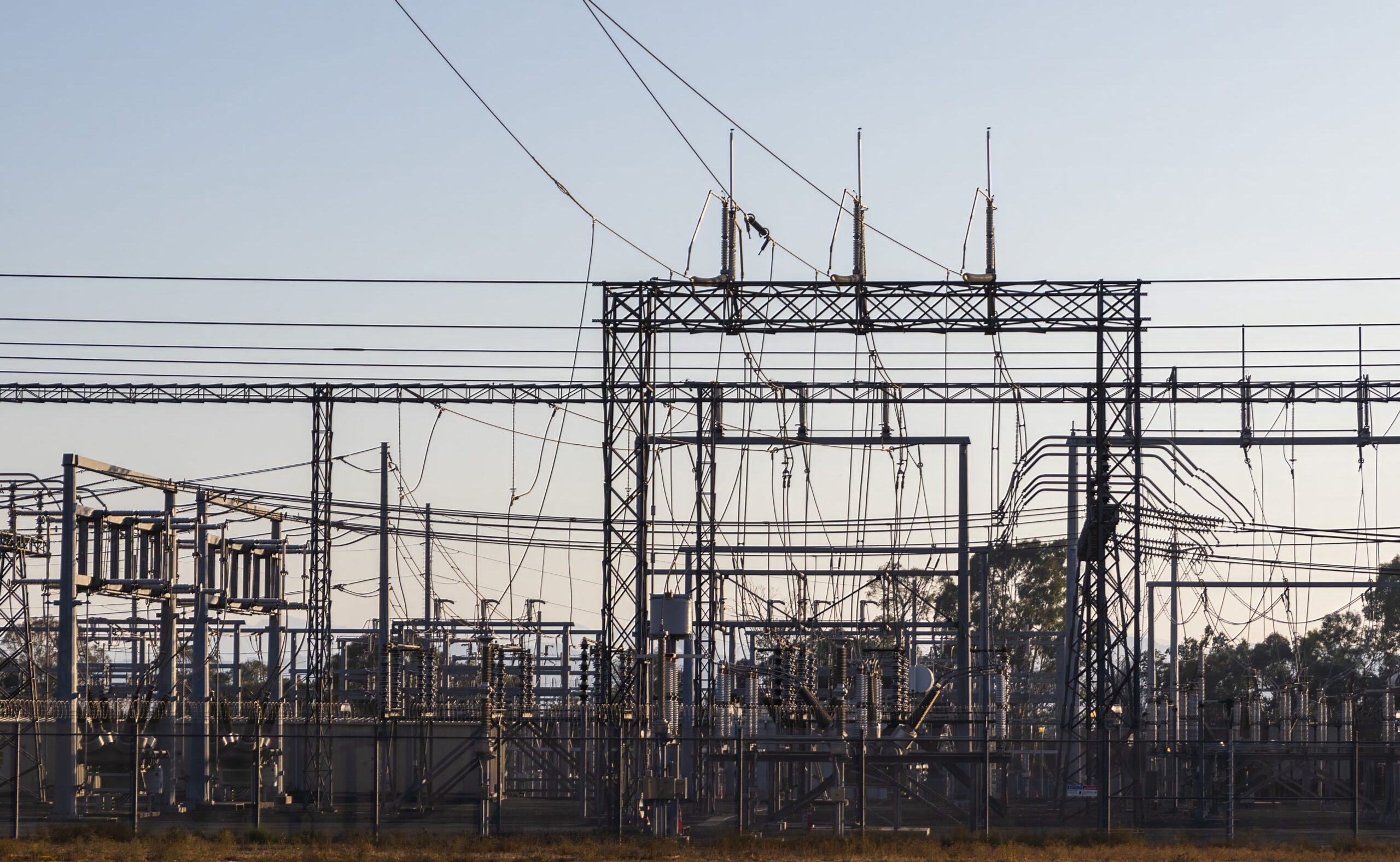
Potomac Edison has asked Maryland regulators for permission to collect an additional $52.8 million a year from customers.
The company says the money would replace aging equipment, modernize the electric grid and improve reliability. If approved as filed, the request would increase the average residential customer’s monthly bill by approximately 5.3 percent, according to Potomac Edison’s parent company, FirstEnergy. The utility also says its residential rates would remain the lowest among Maryland’s investor-owned electric companies.
Both statements may be true. Neither is enough to justify the increase.
Potomac Edison filed its application with the Maryland Public Service Commission on September 4, 2026, in Case No. 9904. The request has not been approved. A virtual pre-hearing conference is scheduled for October 9, and Maryland General Assembly briefing materials identify April 2027 as the expected date for a final order.
The central question is not whether grid reliability is valuable. It is whether Potomac Edison has demonstrated that each proposed dollar is necessary, prudent and likely to produce a measurable improvement for the customers who will pay for it.
A utility has a strong case—and a strong incentive
Potomac Edison’s proposed reliability program includes substation-equipment replacement, monitoring and control technology, circuit ties, automation, overhead-line upgrades, underground-cable replacement and expanded tree removal near power lines.
Those projects could help the utility locate problems more quickly, reroute electricity and restore service faster during outages. A failed transformer or deteriorating line can interrupt work, spoil food, disable medical equipment and leave households without heat or air conditioning.
But Potomac Edison’s financial incentive also matters.
The company is a regulated monopoly. Most customers cannot change distribution companies when service deteriorates or rates increase. Its revenue comes through rates approved by the Commission, and capital investment may become part of the financial base on which a utility earns a regulated return.
That does not mean the proposed investments are wasteful. It means the company has an understandable reason to present a broad modernization program as necessary and to seek recovery from customers before the results are visible.
A rate request is not a neutral estimate of what the system needs. It is the utility’s opening position in a regulatory negotiation.
Maryland regulators illustrated that distinction in August when they approved approximately $50.9 million of Pepco’s requested $119.9 million increase—less than half the amount sought. The Commission also approved a return on equity below what Pepco had requested.
That decision does not predict the result of Potomac Edison’s case. It does establish that a utility can ask for more than regulators ultimately find justified.
The previous Potomac Edison case offers a useful comparison
Potomac Edison’s last Maryland rate case was decided in October 2023. The company initially sought approximately $50.4 million in additional retail revenue. The Commission authorized approximately $31.4 million.
The new request is therefore about 68 percent larger than the increase approved three years ago.
That comparison does not prove that the current request is excessive. Equipment, labor, storm exposure, technology requirements and reliability needs may all have changed.
It does mean the Commission should demand more than a general description of aging infrastructure. Regulators should identify:
- Which projects are included in the $52.8 million request;
- What each project will cost;
- Which expenditures are ordinary maintenance and which are new enhancements;
- What outage problem each project is intended to address;
- How quickly customers should see an improvement;
- What alternatives were considered; and
- What happens if the projected reliability improvement does not occur.
A company would ask those questions before approving a major capital budget. Customers deserve the same discipline when the decision is made on their behalf.
A rate increase is not the same as a bill increase
Utility debates often become confusing because companies and regulators use different financial terms.
Potomac Edison’s request concerns distribution revenue—the money associated with local wires, substations, equipment and service operations. A household electric bill also includes supply charges, transmission costs and other adjustments.
Maryland’s Office of People’s Counsel identifies distribution and supply charges as separate parts of a residential electric bill. As of September 2026, the listed Potomac Edison residential distribution rate was 2.287 cents per kilowatt-hour, with a $6 monthly customer charge. Supply and transmission charges were separate.
The distinction matters for accounting. It does not make the bill feel less real.
A family does not receive one bill for distribution and another for the utility’s capital program. It receives a total amount due. The actual effect of the proposal would vary with electricity use, supply prices, weather and other charges.
The Commission should therefore require Potomac Edison to explain the effect in dollars for different types of customers, not only through an average percentage. The average customer is a useful statistical device. The average household does not exist.
Who benefits from the spending?
If the work is well chosen, customers could benefit from fewer and shorter outages. Businesses may lose fewer hours of operation. Hospitals, clinics, schools and communications systems may face fewer disruptions. The utility may also reduce emergency repair costs and improve its ability to manage storms.
Potomac Edison benefits from the spending as well. A larger approved revenue requirement would give the company more money for infrastructure and, depending on the Commission’s treatment of the investment, could increase the base on which it earns a regulated return. Equipment manufacturers, contractors, engineering firms and tree-removal companies would also receive work.
Customers, however, carry the immediate cost.
That cost is not distributed evenly. A 5.3 percent increase may be manageable for a household with stable income and difficult for a family already choosing between electricity, rent, food and medical care.
The Office of People’s Counsel says Potomac Edison serves roughly 295,000 Maryland customers, including households in Allegany, Washington and Frederick counties and portions of several other counties.
Reliability is valuable. Affordability is part of reliability, too. A household that cannot afford to keep the power on is not experiencing a reliable energy system, even if the wires perform well.
“Still the lowest” is not a cost-benefit analysis
Potomac Edison says its residential rates would remain the lowest among Maryland’s investor-owned electric utilities if the increase were approved. FirstEnergy also says the company’s rates were 25 percent below the average of its in-state peers as of June 1, 2026.
That information is relevant, but it is not decisive.
A lower rate can reflect a less expensive service territory, different customer density, different infrastructure needs or a different investment history. It does not establish that every dollar in a new request is justified.
Nor does a comparatively low bill guarantee affordability. A lower price can still be too high for a household with little income flexibility.
The Commission’s responsibility is not to ensure that Potomac Edison remains cheaper than another utility. It is to decide whether the proposed expenditures are reasonable for this system and whether customers will receive fair value.
Maryland needs investment—and accountability
Potomac Edison’s application arrives as Maryland increases scrutiny of utility rate requests, executive compensation and major transmission projects under the Utility RELIEF Act. Maryland General Assembly briefing materials list Potomac Edison’s request alongside a $156.1 million electric-revenue request from Baltimore Gas & Electric.
Maryland needs utilities to invest. Distribution systems age, storms cause costly damage and electricity demand is changing. But if investments are recovered through rising rates without clear performance measures, customers become the financing mechanism for projects whose benefits are described rather than demonstrated.
The answer is not to reject necessary infrastructure. It is to tie spending to evidence.
If Potomac Edison collects money for reliability improvements, customers should later be able to see whether outage frequency declined, restoration times improved and the promised work was completed on schedule and within budget. The Commission should require project-level reporting after approval.
Otherwise, the system asks customers to make a permanent payment for a temporary promise.
What customers should expect from the rate case
The October 9 pre-hearing conference will begin a process that should focus less on the general language of modernization and more on the financial mechanics: project costs, expected benefits, alternatives, rate impacts and accountability after the money is collected.
Potomac Edison should not be required to prove that reliability has no value. It should be required to show what customers are buying.
A utility rate increase is not simply a higher bill. It is a transfer of purchasing power from households and businesses to an infrastructure program managed by a regulated company.
That transfer can be justified. It may even be necessary.
But the public should not be asked to pay for “reliability” as an attractive label. Customers should be shown which lines, substations, controls and maintenance programs will improve—and how anyone will know whether they did.
The grid needs investment.
Customers need an invoice.