Football ends. The platform hopes you do not leave.
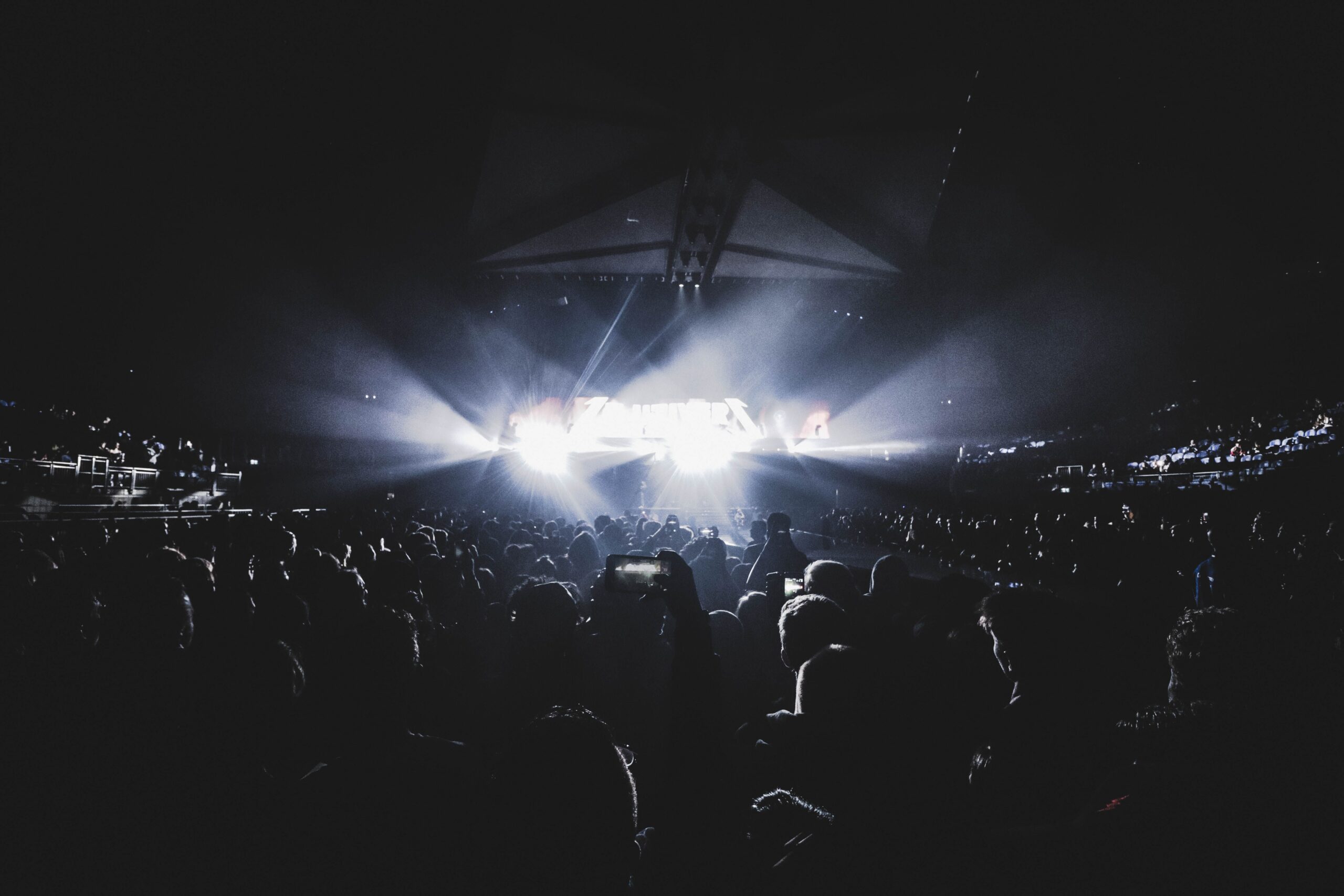
That is the basic idea behind Amazon Music Live, the concert series that follows Thursday Night Football. Its fifth season began on September 24 with Noah Kahan’s final U.S. performance of his Great Divide tour, recorded at Seattle’s T-Mobile Park. Don Toliver, Lainey Wilson and Doja Cat are scheduled to follow.
Amazon Music Live is not simply a concert broadcast placed after a football game. It is an experiment in turning one entertainment habit into another before the viewer has a chance to make a separate choice. Amazon supplies the football, the concert, the music service, the streaming channels, the advertising system and much of the audience data. The music is the content. The handoff is the business.
The concert is waiting for you
The format began in 2022, after Amazon’s acquisition of exclusive Thursday Night Football rights created a reliable weekly gathering point. The postgame slot also had an obvious promotional advantage: new music often arrives at the end of the week, and the NFL audience is much larger than the audience that would ordinarily seek out an Amazon Music concert.
Amazon’s 2025–26 Thursday Night Football season averaged 15.3 million viewers per game and reached 122.09 million unique U.S. viewers across the season, according to Amazon Ads’ presentation of Nielsen and internal audience data. Those figures describe the football audience, not Amazon Music Live’s audience. Amazon has not released a comparable season-wide figure showing how many viewers remain for the concert.
That distinction matters. A large funnel is not the same thing as a large destination.
Still, the strategy is easy to understand. A viewer who has spent three hours with Prime Video is presented with a performance on Prime Video. The viewer does not need to open a different app, search for an artist or decide what kind of entertainment comes next. Amazon has already made the next recommendation.
This is not the future of music television
Sports and music have been commercially entangled for decades. The Super Bowl halftime show, stadium sound systems, sports radio and late-night television all rely on the same broad principle: audiences can be carried from one cultural form to another if the transition feels natural.
Amazon Music Live is not revolutionary because football fans have suddenly discovered concerts. It is interesting because Amazon owns so much of the chain connecting the two.
The football game arrives through Prime Video. The concert is presented by Amazon Music. Twitch adds another live viewing environment and chat. Fire TV and Amazon Live extend the programming across devices. Amazon’s advertising operation can measure the audience and connect the viewing session to commercial activity. The artist’s recordings remain available within Amazon’s music ecosystem.
That makes the show less like an isolated special and more like platform infrastructure. Amazon is not merely buying or producing a concert. It is organizing the movement of attention between sports, music, advertising and commerce.
Artists get reach. Amazon gets continuity.
The appeal for artists is real. The series has featured performers including Ed Sheeran, Megan Thee Stallion, Jelly Roll, Peso Pluma, Big Sean, Halsey and TWICE. The Associated Press reported that Amazon works with labels, managers and artist teams to identify performers who can benefit from the NFL audience, high-end production and proximity to a new release or tour.
For an artist, the opportunity is not insignificant. A concert broadcast can reach people who would not buy a ticket, attend a tour or search for the artist independently. TWICE’s Nayeon described the value in straightforward terms: football viewers might encounter the group even if they had never gone looking for it. Jelly Roll made a similar point about reaching people outside the usual concert audience.
But exposure is not the same as discovery, and discovery is not the same as fandom.
Amazon Music Live may introduce an artist to millions of people without creating a durable local audience, repeat listening habit or ticket-buying relationship. The real test is not whether viewers watch one performance. It is whether they listen again, follow the artist, buy tickets, share the music or return when the next performance appears.
Amazon has not publicly established those outcomes. It has also not disclosed the compensation arrangements, production budgets or standalone profitability of the series. Those omissions do not make the program unimportant. They do make the company’s language about reaching “millions of fans” insufficient evidence of cultural success.
The platform owns the transition
Traditional music businesses tend to separate recorded music, live performance, promotion, broadcasting and merchandising. Amazon is more interested in what happens between those categories.
A football viewer becomes a concert viewer. A concert viewer may become a listener. A listener may receive an artist playlist, a ticket recommendation, a merchandise offer or another live-event promotion. None of those steps has to be dramatic. The value lies in preventing the viewer from leaving the environment where Amazon can continue measuring and shaping the session.
Amazon’s own advertising materials make that logic unusually clear. The company emphasizes that Thursday Night Football viewers are younger than audiences for NFL games on linear networks and more likely to respond to advertising. The concert slot therefore has value even if Amazon Music Live is not a major direct-revenue product. It can make the surrounding sports rights, advertising inventory and subscription ecosystem more useful.
This is why calling the program a “concert after football” undersells it. The concert is also a retention device.
What happens to everyone outside the funnel?
The model is strongest for major artists who can support stadium-scale production, label coordination and national promotion. That does not mean smaller artists receive no benefit from the broader shift toward streamed live music. It does mean Amazon Music Live does not obviously create an open discovery system.
The platform will favor artists who fit its commercial relationships, audience strategy and production capabilities. A football audience may be broad, but the gate into that audience remains tightly controlled.
There is also a cultural difference between introducing an artist and building a scene. A record store, local venue, radio station or community festival can create repeated relationships among artists, listeners and places. A platform can create enormous reach while keeping those relationships inside a recommendation system. The first produces a community. The second produces measurable engagement. Sometimes they overlap. Often they do not.
The useful middle form
Amazon Music Live is neither meaningless branded content nor the rebirth of music television. It is a revealing middle form: a music event built to occupy the space between one kind of attention and the next.
The show’s cultural importance will depend on what happens after the broadcast. Do viewers return to the artists? Do the performances create lasting listening habits? Do musicians receive meaningful compensation and new fans, or mainly a polished promotional asset? Does the series develop a recognizable musical identity, or does each episode function as another carefully measured piece of platform inventory?
Amazon wants football fans to stay for the music. That is a reasonable programming strategy. But the company is also asking music to serve as proof that its platform can own the entire evening.
The concert may be good. The more consequential performance is the handoff.