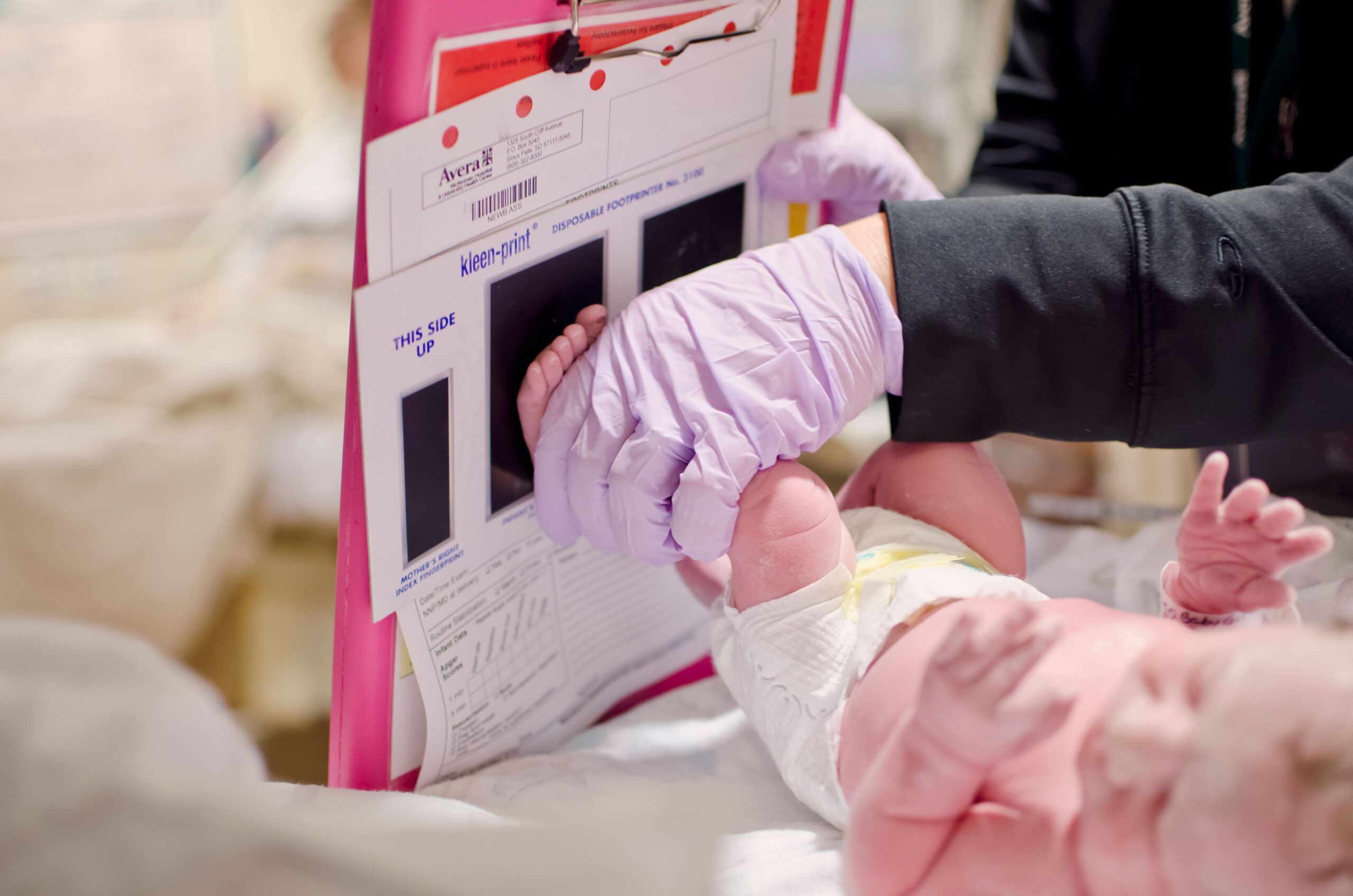
For a newborn entering the 2026–27 RSV season, protection may be available before the family leaves the hospital. But whether that protection is actually delivered can depend on something less medical: whether the hospital and insurer have agreed on how to pay for it.
That is the central weakness in the current RSV system. The country has an intervention that can substantially reduce an infant’s risk of hospitalization, along with clear guidance about when it should be given. Yet some eligible babies still leave the birth hospital without it and must rely on a second appointment, an outpatient provider and a payment arrangement that may not be any clearer.
The American Academy of Pediatrics’ 2026 recommendations continue to advise RSV immunization for infants younger than 8 months entering their first RSV season when the pregnant parent was not vaccinated, vaccination status is unknown or vaccination occurred too close to delivery. The AAP also expanded recommendations for some children ages 8 through 19 months entering a second season, including children with certain serious lung, heart, immune or genetic conditions.
For infants born during the RSV season, the recommendation is especially practical: protection should be provided within the first week of life, ideally during the birth hospitalization. The Centers for Disease Control and Prevention similarly recommends administration during October through March in most of the continental United States and says babies born during that period should receive an infant RSV antibody within one week of birth.
That timing matters because a newborn can be exposed before the first routine pediatric visit. A dose given at a later appointment may still be useful, but every additional step creates another opportunity for a missed appointment, an unavailable product, transportation trouble or confusion about coverage.
The intervention is not experimental
RSV is usually a mild respiratory illness for older children and adults. For infants, particularly very young infants, it can be much more serious. The AAP cites approximately 58,000 to 80,000 RSV hospitalizations each year among children younger than 5.
Infants can be protected in one of two ways. A pregnant parent may receive the maternal RSV vaccine during the recommended period of pregnancy, allowing antibodies to pass to the baby. Or an eligible infant may receive a long-acting monoclonal antibody such as nirsevimab or clesrovimab.
These products are not traditional vaccines. They provide ready-made antibodies rather than training an infant’s immune system. The CDC says infant antibodies provide immediate protection that lasts at least five months, while maternal vaccination protects a baby through antibodies transferred before birth. Most babies should not need both approaches.
The AAP reports that evidence reviews have found nirsevimab between 64% and 93% effective in preventing RSV-related hospitalization, depending on the study and setting. That does not mean every treated child will avoid RSV or every infection will be mild. It does mean that the intervention is a serious preventive tool, not an optional response to an unproven theory.
Coverage in principle is not access in practice
The difficulty arises at the point where clinical recommendations meet hospital finance.
The AAP has reported that many hospitals do not routinely provide the approximately $500 infant antibody during the birth hospitalization because commercial insurance often pays hospitals through bundled maternity payments. Those arrangements may not clearly include the product, leaving hospitals uncertain whether they will be reimbursed for purchasing and administering it.
Some hospitals and insurers have negotiated separate payments or modified their arrangements. Others have not. The result is a patchwork in which a family’s access can depend on the hospital where a baby happens to be born.
This is not the same as saying insurers never cover the product. The CDC says many private plans cover infant RSV antibodies, and Medicaid and the Children’s Health Insurance Program generally provide coverage for recommended vaccines and immunizations under federal rules. The problem is that coverage for a patient does not automatically create a simple payment pathway for a hospital administering an expensive product during an inpatient stay.
Vaccines for Children may provide another route for eligible children, including children who are Medicaid-eligible, uninsured, underinsured or American Indian or Alaska Native. But not every birth hospital participates in the program, and enrollment alone does not guarantee that a hospital has the product, staff, pharmacy process and billing system needed to provide it before discharge.
The burden moves to families
When a hospital cannot administer the antibody, the alternative is usually an outpatient visit. That can be a reasonable backup. It should not become an unspoken substitute for a system that has failed to coordinate protection at birth.
Parents may need to determine whether the pregnant parent received an RSV vaccine, whether the dose was given at least 14 days before delivery, whether the newborn qualifies for an antibody, whether the hospital stocks it, whether the pediatrician has it and who will pay. They may also have to ensure that the baby is not unnecessarily immunized twice or left unprotected because vaccination records are unclear.
Those tasks arrive during one of the least convenient periods in family life. Parents may be recovering from childbirth while managing feeding problems, premature birth, jaundice checks, other medical appointments or the demands of caring for older children.
The practical barriers are sharper for families with limited transportation, inflexible work schedules, language barriers, rural residence or no established pediatrician. A rural pediatrician told AAP News that her hospital did not offer the antibody to newborns even though many infants might qualify through Vaccines for Children. Some families did not return for the outpatient dose, switched providers or encountered clinicians who did not stock the product or accept Medicaid.
That account is not proof that every missed dose results from hospital payment policy. Supply, parental decisions, maternal vaccination, timing of birth and follow-up access also affect coverage. But it illustrates how a payment problem becomes a family problem.
What families should ask
Parents preparing for a birth during RSV season can ask their obstetrician, hospital and pediatrician several basic questions:
- Did the pregnant parent receive the maternal RSV vaccine, and was it given at least 14 days before delivery?
- If infant immunization is recommended, does the birth hospital stock nirsevimab or clesrovimab?
- Will the hospital administer it before discharge?
- How will the dose be billed for private insurance, Medicaid or Vaccines for Children?
- If the hospital does not provide it, where can the baby receive it within the first week?
- Has the pediatric practice confirmed that the product is available?
Families should not interpret this as medical advice to seek a dose regardless of circumstances. Maternal vaccination and infant immunization are intended to work as alternative protection strategies for most babies, and eligibility depends on age, timing and health status. The CDC and AAP guidance should be discussed with the child’s clinicians.
The real test is coordination
RSV prevention is becoming a test of whether the health-care system can deliver a clinically recommended intervention at the moment it matters most.
The issue is not solved by announcing that a product is covered in theory. It is not solved by telling parents to call around after discharge. And it is not solved by measuring national protection without identifying which infants were protected through maternal vaccination, which received an antibody and which missed both opportunities.
The AAP, the Association of Immunization Managers, March of Dimes, Infectious Diseases Society of America and American College of Obstetricians and Gynecologists have urged insurers and hospitals to create clearer payment mechanisms, including line-item billing or appropriate reimbursement within hospital arrangements.
That is a reasonable institutional demand. If an eligible newborn should receive protection within the first week of life, hospitals and insurers need a predictable way to make that happen. Leaving the final connection to a tired family, a rural pediatrician or an already stretched health department is not a delivery system. It is a handoff of institutional responsibility.
The 2026–27 RSV season will show whether that handoff is becoming more reliable. The most important measure will not be whether the intervention exists. It will be whether eligible babies receive it before the system has given them a chance to fall through.