Arkansas duck season opens November 21. Across much of the state, the first question is not where the ducks are. It is where the water is.
The regular duck season is scheduled for November 21–29, December 10–23 and December 26 through January 31, 2027. The statewide daily duck limit is six, subject to species-specific restrictions. The calendar is intact. The landscape underneath it is not operating normally.
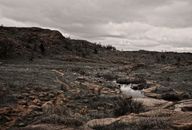
The Arkansas Game and Fish Commission says the state is entering its 14th consecutive month of drought, with many areas more than 20 inches below normal cumulative rainfall. On November 17, the U.S. Drought Monitor classified 55.83 percent of Arkansas as being in exceptional drought and another 30.64 percent in extreme drought.
That does not mean Arkansas has no ducks. It means the wetland system that normally spreads birds, hunters and pressure across the state has been disrupted.
A season can be open and still be narrow
Duck hunting depends on more than a population estimate and an opening date. It depends on shallow water, food, timber, rice fields, boat launches, access rules and enough room for birds to rest after hunters take the field.
AGFC reported that, at the beginning of October, it had enough water to flood only 42 percent of the moist-soil units managed on agency-controlled land. The agency said it had the capability to flood 42 huntable moist-soil units, covering about 3,553 acres. At Steve N. Wilson Raft Creek Wildlife Management Area, staff were pumping water from the White River around the clock, with a best-case estimate of 34 permit hunt locations available by Christmas.
Those numbers describe an effort to preserve opportunity, not a restoration of ordinary conditions. A pump can protect a unit. It cannot reproduce the timing and distribution of widespread rainfall across Arkansas.
The same problem reaches private ground. AGFC has warned that hundreds of thousands of acres of rice fields are dry, reducing the agricultural habitat available to wintering waterfowl. A few functioning public units may therefore matter more than they would in a wetter year.
That creates a reasonable inference from the agency’s own response: when water is concentrated in fewer places, hunters and birds are likely to be concentrated there as well. AGFC has expanded permit-based opportunities at selected locations and is publishing unit-by-unit information because access and pressure have become more consequential.
The spreadsheet is useful. It is not a hunt.
AGFC’s wetland-management page lists operations and conditions for moist-soil units and greentree reservoirs. The agency says the spreadsheets can show which areas are being pumped, which are open to hunting and where habitat work is taking place.
David Luker, the agency’s assistant chief of wildlife management, also cautioned that the spreadsheets do not show the exact condition of every hunting spot. That distinction matters. A unit can be listed as flooded while still being too shallow for a particular boat, too muddy for safe retrieval or too inaccessible to make the trip practical.
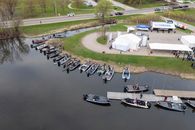
The same is true of permits. A permit can organize access and prevent a bad crowding problem. It cannot put water under a dry timber tract, create a boat launch or guarantee that birds will use the area on opening morning.
Hunters should therefore treat AGFC’s information as a planning layer, not a promise. Check the current conditions before leaving. Confirm whether a draw, permit or special access rule applies. Look at water levels, launching conditions and sanctuary boundaries. Have a second location ready.
Field competence starts before the blind
In a normal year, a hunter can sometimes get away with relying on habit. The familiar hole usually has water. The usual road is open. The timber looks about the same as it did last season.
This is not the year for that kind of confidence.
- Verify current water conditions before driving to a wildlife management area.
- Do not confuse an open unit with adequate water for a boat, dog or safe bird retrieval.
- Expect heavier pressure where pumping or rainfall has created usable habitat.
- Read the area-specific regulations instead of relying on a statewide summary.
- Carry a backup plan for dry conditions, crowded parking or unsafe access.
- Treat mud, low-water timber and unfamiliar boat routes as hazards.
- Be willing to turn around when the conditions do not support a safe hunt.
That last decision is not failure. It is judgment. A legal opportunity is not automatically a usable opportunity, and a determined hunter can still make a bad decision if the water, access and recovery conditions do not line up.
What the season should measure
The important data will come after the shooting stops. Managers should be able to explain how much water was available, where it came from, which units were pumped, how much that work cost and how many hunters used the resulting opportunities.
They should also examine permit demand, hunter effort, crowding, bird use, harvest, enforcement complaints and whether the remaining habitat held up under concentrated pressure. A successful hunt in one flooded unit will not prove that the broader wetland system recovered. A poor morning in a dry unit will not establish that Arkansas has lost its ducks.
It will show what happened at that place, under those conditions, with that access and that pressure.
That is the practical lesson. Population surveys matter, but they cannot tell a hunter whether a particular tract has enough water today. A regulation book can authorize a hunt, but it cannot make a boat ramp usable. A pump can preserve habitat, but it cannot manufacture a statewide wetland.
Arkansas hunters already know that ducks need water. This season is a reminder that public hunting does too. The season becomes real only when the animal, habitat, access, rules and information line up on the same morning.