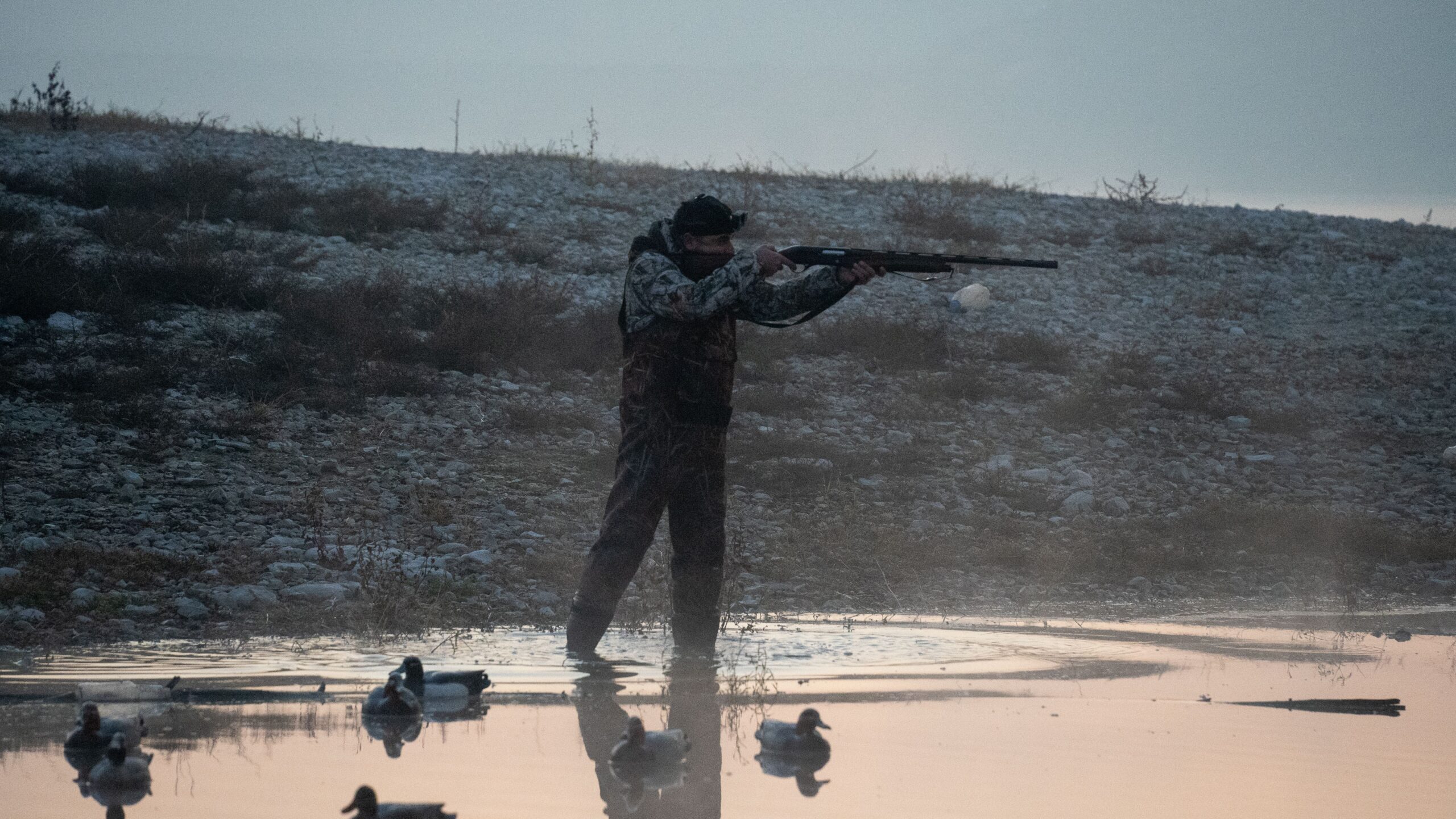
The early teal season in Texas is underway, and hunters have until September 27 to make it count.
That sounds like a hunting opportunity. It is. It is also a test of how much can go wrong between a regulation book and an actual marsh.
The Texas Parks and Wildlife Department opened the statewide September teal season on September 19 for nine days. The daily limit is six teal, with a possession limit of 18. Hunters need the proper license, migratory bird endorsement, Federal Duck Stamp and Harvest Information Program certification. TPWD’s regulations and season information spell out the requirements.
The rules are straightforward. The season is not.
A short season is not a small change
The blue-winged teal population was estimated at about 3.96 million birds in the latest survey, down 11 percent from 2025 and below the threshold that would have allowed a longer 16-day early season. The population also remains below its long-term average.
That is the public part of the story: fewer birds, fewer days.
The practical part is harder to summarize. A short teal season puts more weight on scouting, water conditions, weather, identification and discipline. A hunter may have only one or two realistic mornings available. A cold front may arrive after the season closes. A pond that held birds last week may be empty after several hot days. A rainstorm may improve one property while making another inaccessible.
Blue-winged teal are fast-moving migrants, and their presence in Texas depends on more than a continental population estimate. TPWD waterfowl biologists said migration timing, local water, habitat conditions and weather could still produce good hunting in places, while describing the overall outlook as below average. A population estimate is not a forecast for one stock tank.
The birds do not distribute themselves according to the convenience of a statewide season calendar. They follow food, shallow water, weather and whatever cover remains useful. Hunters who understand that will spend more time looking than shooting.
That is not wasted time. It is the work.
The marsh does not care what the forecast promised
TPWD said habitat is drying across several important teal regions and warned that dependable shallow water and quality food resources would be especially important this season. The agency also noted that birds have not always been moving as far south as they historically did.
The result is a familiar problem in waterfowl hunting: conditions can look good from the road and be wrong where it counts.
A pond may have water but no feed. A flooded field may have feed but no usable cover. A stock tank may attract birds but remain too exposed for them to settle there during daylight. A shallow marsh can appear empty until legal light, when teal begin moving through the places they used before sunrise.
The hunter who arrives without scouting is not saving time. He is transferring the cost to the morning hunt.
That usually means burning the first hour walking, pushing birds out early, setting up in the wrong spot and then blaming migration. Sometimes the birds simply are not there. More often, the hunter has not done enough to find out.
The national survey helps explain why local conditions deserve attention. The U.S. Fish and Wildlife Service and Canadian Wildlife Service conduct the annual Waterfowl Breeding Population and Habitat Survey across roughly 2 million square miles, using aircraft, helicopters and ground crews. The survey provides the long-term data used to monitor waterfowl and help set hunting regulations. Federal waterfowl survey information is valuable information.
It is not a substitute for looking at the place where a hunter intends to sit.
Identification is part of the hunt
Fast teal at first light are not a forgiving target for uncertain identification.
Hunters are responsible for knowing what they are shooting, and early-season conditions can make that more difficult. Blue-winged teal may be moving quickly, in poor light and among other birds. The pressure of a nine-day season can encourage bad decisions, particularly when a hunter has waited all year and believes every passing bird may be the last opportunity.
That is exactly when a person needs to slow down.
A short season does not justify guessing. It makes judgment more important.
The same applies to legal documents. Texas has expanded digital options for recreational licenses and tags, but hunters using digital licenses must keep them available on a mobile device and use the Texas Hunt & Fish app for digital tags. The state’s Outdoor Annual app can be used without an internet connection after it has been downloaded.
That is useful technology, provided the phone is charged, the information was downloaded beforehand and the hunter has thought through what happens when the device fails in the field.
A regulation app is not preparation by itself. It is one tool in preparation.
The additional concern this season
This season also carries a concern that Texas teal hunters did not have to consider in the same way a year ago: New World screwworm.
The parasite has been detected in Texas, and TPWD is advising hunters to report wildlife with suspicious wounds and to inspect harvested animals for wounds that may contain larvae. The agency also warns that carcass handling matters because viable larvae could continue the pest’s life cycle. TPWD’s guidance provides reporting and handling information.
This is not a reason to panic over every mark on a bird. It is a reason to pay attention.
Hunters are already accustomed to inspecting game for disease, spoilage and wounds. Now the inspection has an additional purpose. Field dressing is not only about getting meat cooled and cleaned. It is also part of responsible wildlife management.
The Texas Animal Health Commission and USDA have created zone maps and reporting procedures for suspected cases. Hunters should know the rules for the area they are entering before they go, not after they have a questionable carcass in the truck. USDA’s current-status information should be checked before heading into the field.
That kind of preparation is not glamorous. Neither is cleaning equipment, checking ammunition, reviewing identification and deciding where a carcass will be handled.
Most competent outdoor work is made of those ordinary steps.
What the season is really measuring
A short teal season measures more than shooting skill.
It measures whether a hunter can read conditions honestly. It measures whether he can leave birds alone when identification is poor. It measures whether he can accept that a property is wrong today, even if it was productive last year. It measures whether he understands that conservation regulations are not an insult to hunters but the mechanism that allows hunting to continue.
The current population numbers are not a declaration that teal hunting should end. Nor do they prove that every hunter in Texas will have poor results. They establish that managers are working with a smaller population and have set a shorter opportunity accordingly. The rest is up to conditions and conduct.
The temptation in a short season is to treat every morning as a contest against the calendar. That is how hunters hurry shots, overuse marginal water and convince themselves that pressure is the same thing as effort.
It is not.
The best teal hunters I have known were not the ones who complained least about the birds. They were the ones who paid closest attention to where the birds wanted to be. They watched the water, the wind, the feed and the timing. They understood that the blind is only the final part of the hunt.
This year, nine days may be enough for a good hunt. It may not be enough for a careless one.
The birds will not make up the difference.