

Potomac Edison’s request to raise electric rates in Maryland deserves more attention than the usual announcement followed by the usual argument.
The company says it needs an additional $52.8 million in distribution revenue to replace aging equipment, modernize the grid and improve reliability. If approved as requested, Potomac Edison estimates that the average residential customer would pay approximately 5.3 percent more per month. The company also says its residential rates would remain the lowest among Maryland’s investor-owned electric utilities after the increase.
Both statements may be true. Neither, by itself, settles the matter.
Potomac Edison filed its application with the Maryland Public Service Commission on September 4, 2026, under Case No. 9904. The request has not been approved and cannot take effect without Commission review. That process is important because the company’s proposed spending, projected benefits and effect on customers must be examined before regulators decide what portion, if any, has been justified. The filing is listed in the Commission’s records.
Electric utilities do not operate in an ordinary market. Most customers cannot switch to another company when the distribution system fails or when rates rise. The utility has a service territory; the customer has an obligation to pay. The Maryland Public Service Commission therefore has to test whether the requested charges are just and reasonable.
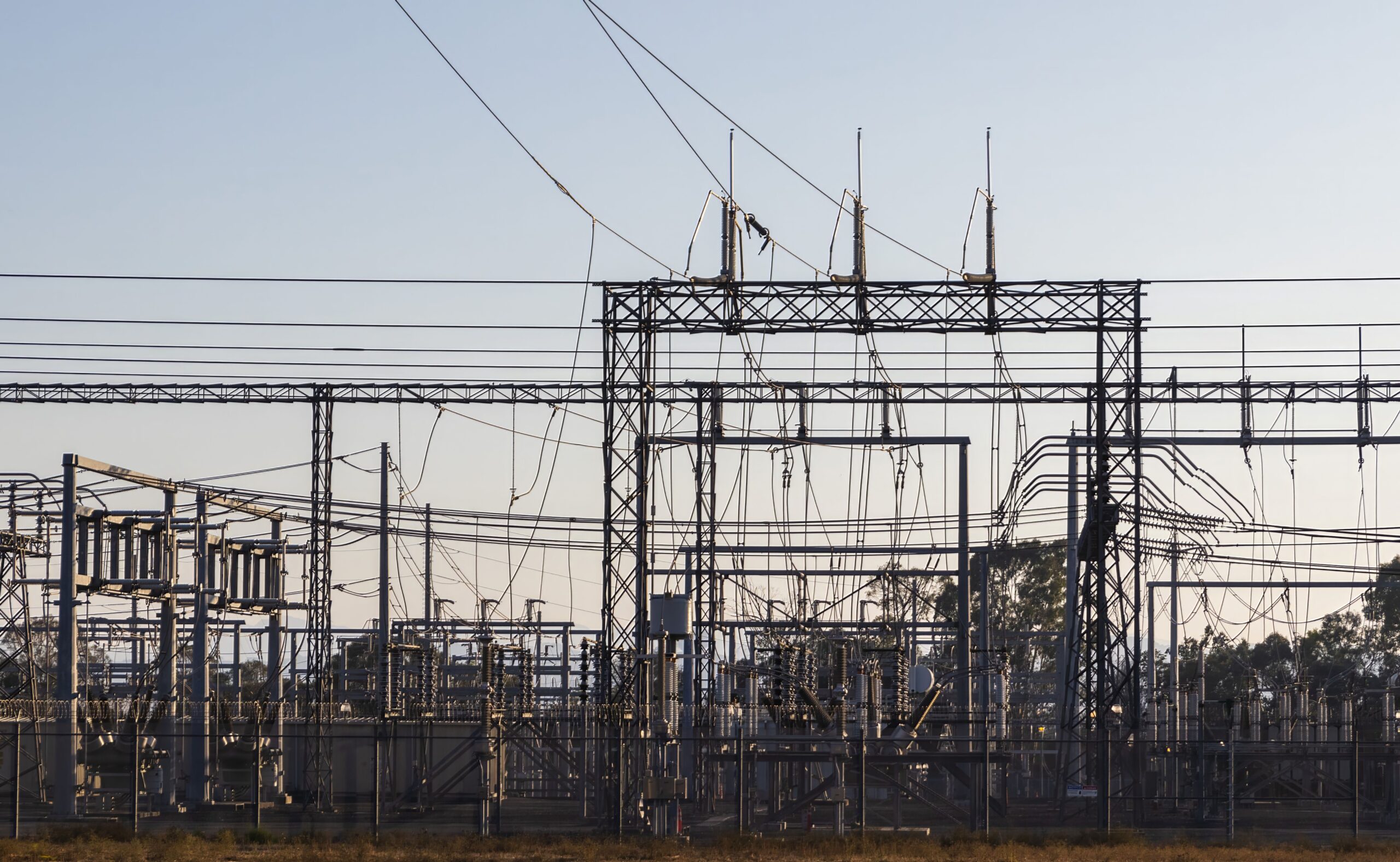
Potomac Edison says the proposed funds would support a reliability improvement program. The company’s list includes new supervisory control and data acquisition technology, replacement of substation equipment, additional circuit ties and automation, upgrades to overhead lines, replacement of aging underground cable, and expanded tree removal near power lines. According to the company, those projects would help crews identify problems more quickly, reroute power and restore service faster during outages. Potomac Edison’s announcement describes the proposal.
Those are not frivolous objectives. Anyone who has waited for power to return understands that reliability is not an abstract engineering term. It affects medical equipment, food, work schedules, communications and the ability to remain safely in a home during severe weather.
But “reliability” is also the sort of word that can become too comfortable in a rate filing. Nearly every utility investment can be described as necessary to reliability. The regulatory questions are more specific: Which projects are being proposed? What will each cost? What problem will each address? And how will customers know whether the promised improvement occurred?
The public record currently establishes the size and general purpose of Potomac Edison’s request. It does not establish that every proposed expenditure is necessary, that the projected benefits justify the cost, or that the company has adequately considered less expensive alternatives. Those are matters for the Commission’s review, not conclusions that should be accepted simply because they appear in a company announcement.
The Maryland Office of People’s Counsel identifies Potomac Edison as a subsidiary of FirstEnergy serving approximately 285,000 Maryland customers in Allegany, Washington and Frederick counties, as well as portions of Carroll, Howard and Montgomery counties. The office also notes that the company’s last rate case was decided in October 2023. Its overview of Potomac Edison’s rates and service territory is available here.
That recent history provides useful context. In its 2023 case, Potomac Edison initially sought a larger increase than the Commission ultimately approved. The Commission’s 2023 annual report records that the company requested approximately $50.4 million in higher retail rates, while the Commission authorized an increase of about $31.4 million. The annual report is available from the Commission.
The difference illustrates what regulation is supposed to do. A utility’s request is a starting position, not a verdict. The Commission is expected to examine the request, hear from the company, state regulators and customer representatives, and determine what the evidence supports.
Potomac Edison’s argument that its rates remain below those of other Maryland investor-owned utilities is relevant. It should not, however, become a substitute for examining the actual proposal. A rate can be comparatively low and still be unaffordable for some households. A utility can require legitimate investment and still overstate what customers should be asked to pay. Those points are not contradictory. They are the reason rate cases exist.
The structure of a customer’s bill also deserves attention. The Office of People’s Counsel explains that electric bills contain both distribution and supply charges. The proposed Potomac Edison increase concerns the utility’s distribution revenue, but customers experience the total bill rather than the accounting categories used to construct it. The final amount a household pays will continue to vary with electricity use, supply costs, weather and other charges.
That distinction may be technically important. For the customer opening the bill, it is also incomplete. The bill arrives as one number.
The Commission should therefore require a clear accounting of what customers are buying. At minimum, that accounting should include:
- A project-by-project explanation of the proposed investment.
- A distinction between maintenance that is already required and new enhancements.
- Evidence showing how the projects are expected to reduce outages or shorten restoration times.
- A realistic schedule for completion.
- Measures that allow regulators and customers to evaluate results after the money has been collected.
- Consideration of assistance for customers least able to absorb another increase.
This is not an argument against modernizing the electric system. It is an argument for treating modernization as a public obligation rather than a slogan.
The electrical grid is aging, storms are becoming more disruptive and Maryland’s energy system is changing. Those realities will require investment. But the cost of that investment cannot simply be passed through to customers under the broad promise that the system will be better someday.
The Commission’s job is not to decide whether reliability sounds desirable. It is to determine whether this particular request is justified, whether the proposed work is prudent and whether customers are receiving a fair bargain.
Potomac Edison is correct that any increase matters to customers. The next question is whether the company’s filing demonstrates, project by project and measure by measure, what customers will receive in return.